
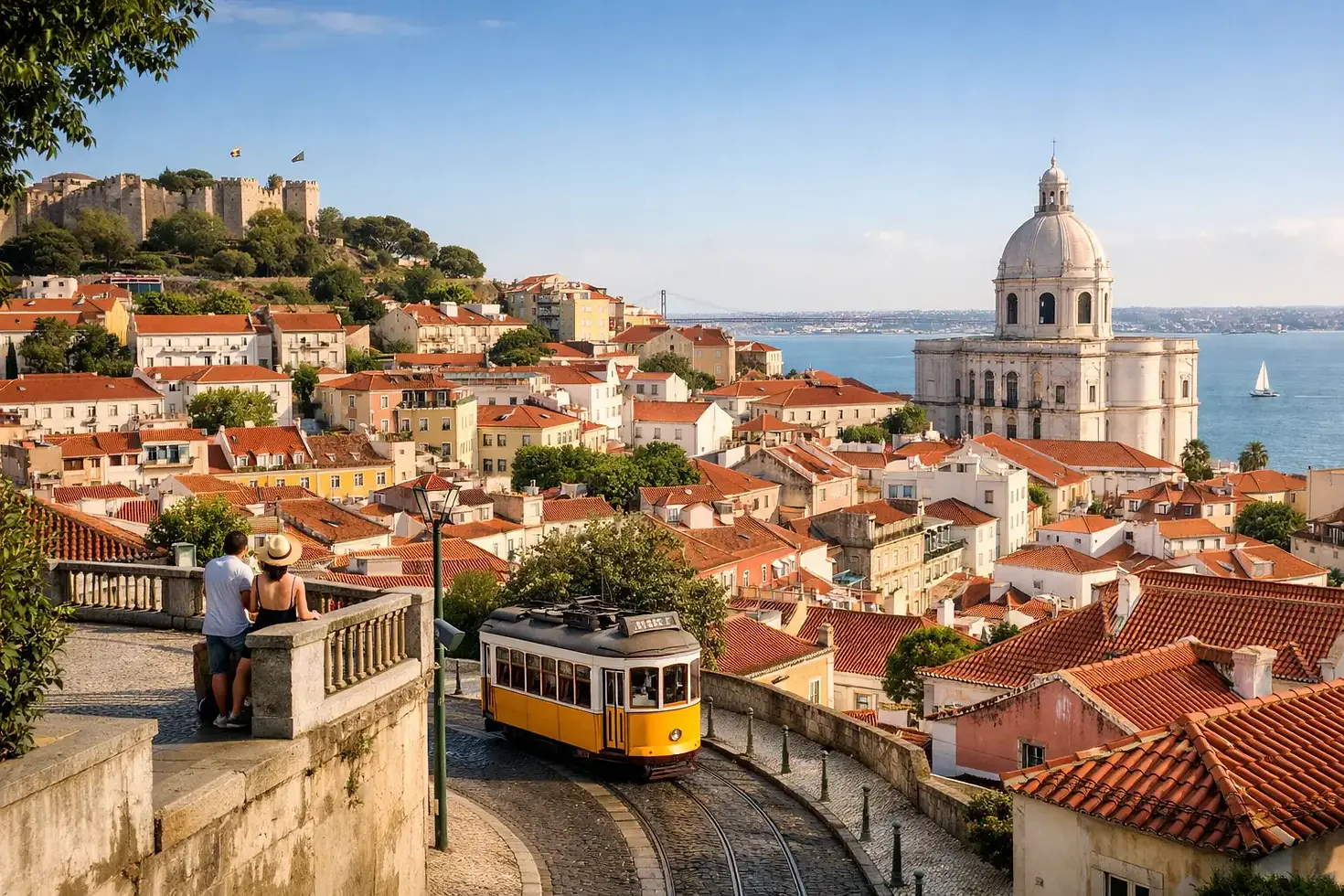
Lisbon Neighborhoods Guide for First-Time Visitors

Lisbon is not a city you understand from one postcard viewpoint. Its character changes quickly from the tiled lanes of Alfama to the grand riverfront of Belém, from elegant Chiado storefronts to the late-night energy of Bairro Alto. This Lisbon neighborhoods guide helps you choose the areas that match your travel style, your schedule, and your appetite for hills.
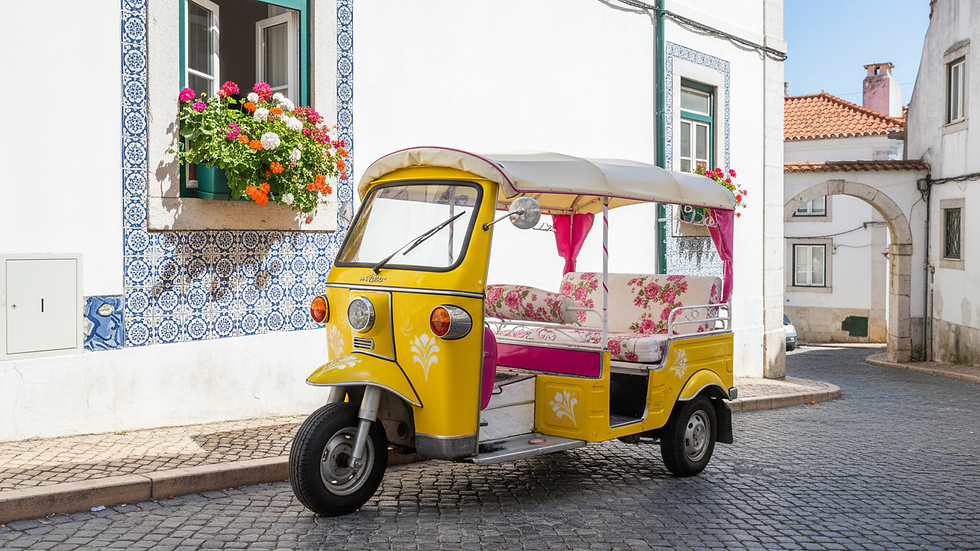
The good news is that Lisbon’s main districts sit close together. The catch is that walking between them can mean steep cobblestones, sudden staircases, and a lot of time spent looking at maps instead of enjoying the view. A private tuk tuk tour is an easy way to connect the neighborhoods, hear the stories behind them, and stop where the city is at its best.
Lisbon neighborhoods guide: choose your best area
There is no single “best” neighborhood in Lisbon. It depends on whether you want history outside your door, restaurants after midnight, museums by the river, or an easy base for sightseeing. Many visitors split their time between the historic center and Belém, then use one flexible day to follow what interests them most.
Alfama for old Lisbon and unforgettable views
Alfama is Lisbon at its most atmospheric. It is the city’s oldest surviving neighborhood, a hillside maze of narrow streets, tiny squares, laundry-lined balconies, and viewpoints that look over red roofs toward the Tagus River. You may hear the sound of fado drifting from a restaurant in the evening, or catch a local conversation from an open window as you pass.
This is the right area for travelers who want to feel surrounded by history. Lisbon Cathedral, São Jorge Castle, and several of the city’s most famous miradouros are close by. Alfama is also a wonderful place for photos, especially in the softer morning light or near sunset.
The trade-off is access. Cars have limited room, sidewalks can be uneven, and the climbs are real. It is charming for confident walkers, but less convenient if you are traveling with very young children, have mobility concerns, or prefer quick point-to-point travel. Seeing Alfama by tuk tuk lets you enjoy the hidden lanes and hilltop views without turning the neighborhood into a workout.
Baixa for first-time convenience
Baixa is the flat, central heart of Lisbon. Its wide grid streets, large squares, traditional cafés, and easy transport connections make it one of the simplest places to stay and start exploring. Praça do Comércio opens onto the river, while Rossio and Restauradores keep you close to shopping, restaurants, and major city routes.
For first-time visitors, Baixa makes logistics easy. You can walk to Chiado, reach Alfama quickly, and catch transport toward Belém. It is a smart choice for families, short stays, and travelers who want a lively central base without climbing a hill every time they leave their hotel.
Baixa can feel more visitor-focused than other parts of Lisbon, particularly around the main pedestrian streets. That does not make it a bad choice. It simply means the most local moments often happen when you step a few blocks away, sit at a quieter café, or pair Baixa with a neighborhood such as Mouraria or Graça.
Chiado for culture, shopping, and café stops
Chiado sits between Baixa and Bairro Alto and brings a polished, creative side to central Lisbon. Expect historic bookstores, theaters, fashionable shops, classic cafés, and streets that are made for an unhurried afternoon. It is central without feeling exactly like the tourist core.
This neighborhood works particularly well for couples, food-minded travelers, and anyone who wants a refined but lively base. You can visit a museum, pause for coffee and a pastel de nata, then walk down toward the river or up to a viewpoint before dinner.
Chiado is not completely flat, despite its convenient location, and accommodations here can be more expensive. Still, its location is hard to beat if you value being able to move between Lisbon’s key sights with minimal planning.
Bairro Alto for nightlife and character
Bairro Alto changes personality after dark. During the day, it is relatively quiet, with colorful buildings, small boutiques, and casual local spots. By evening, its compact streets fill with bars, music, and people moving between venues.
Stay here if nightlife is part of the plan and you like being in the middle of the action. It is close to Chiado, the Bica funicular, and viewpoints such as São Pedro de Alcântara, where the city lights spread out below you.
The obvious downside is noise. If you are a light sleeper, traveling with children, or hoping for early mornings, choose a hotel on the neighborhood’s edge or stay elsewhere and visit for drinks. Bairro Alto is excellent for a night out, but it does not have to be your sleeping base.
Príncipe Real for a stylish, relaxed stay
Just above Bairro Alto, Príncipe Real feels calmer, greener, and more residential. It has handsome old buildings, garden spaces, independent shops, design stores, and restaurants that attract a mix of locals and visitors. It is one of Lisbon’s best choices for travelers who want central access without central-city intensity.
This area suits longer stays, couples, and repeat visitors who have already seen the headline sights and want a neighborhood with a more settled rhythm. The hill is part of the deal, but the views and atmosphere reward the climb.
Príncipe Real is often pricier than Baixa or Alfama. If your budget is tight, visit for lunch, a stroll through the garden, or a drink instead of booking your hotel there.
Mouraria for food, fado, and local texture
Mouraria sits beside Baixa and below the castle hill, with a long history as one of Lisbon’s most multicultural neighborhoods. It is associated with fado, but its identity goes well beyond music. Small family-run restaurants, international food shops, street art, and old Lisbon corners give it a lived-in feel.
Travelers who enjoy food and want something less polished than Chiado often love Mouraria. It is central, interesting, and full of details you might miss if you only follow the major avenues. As with any busy city neighborhood, use normal awareness at night and ask your local guide for current recommendations on where to eat or hear fado.
Graça for viewpoints and a slower pace
Graça rises above Alfama and offers some of the city’s broadest views. It feels more residential than the historic center, with neighborhood cafés, local markets, and a slower daily rhythm. The Miradouro da Senhora do Monte is a standout for wide-open panoramas, especially near sunset.
Graça is a strong fit if you want a quieter Lisbon experience but still want historic scenery close at hand. It is also a good choice for travelers returning to the city who want to see beyond the standard route.
Once again, the hill matters. Graça is not ideal if you want level streets or instant access to every attraction. A tuk tuk makes it much easier to combine Graça with Alfama, Mouraria, and the castle area in one relaxed outing.
Belém for monuments, museums, and river air
Belém is separate from the central neighborhoods in both distance and mood. Set along the river west of downtown, it is home to major landmarks including Belém Tower, Jerónimos Monastery, and the Monument to the Discoveries. Broad walkways, gardens, museums, and waterfront space make it feel open and spacious.
Come to Belém if you love history, architecture, and a more relaxed sightseeing day. It is especially good for families because there is room to move, fewer steep lanes, and plenty to see without rushing. Plan time for the famous custard tarts, but do not make the mistake of seeing only the bakery and leaving.
Belém is less practical as a base if most of your plans are in Alfama, Baixa, and Bairro Alto. It works best as a dedicated half-day or full-day visit, ideally with transport that lets you stop at several landmarks without backtracking.
How to explore Lisbon without losing time to the hills
Lisbon rewards wandering, but not every hour needs to be improvised. Start with the neighborhood that fits your mood: Alfama for history, Baixa for convenience, Chiado for culture, Bairro Alto for nightlife, Graça for views, or Belém for landmark-filled riverfront sightseeing.
Then connect the areas strategically. A private experience with Tuk Tuk Tour Lisbon can be especially useful for mixed-language groups, couples, and families who want the stories as well as the sights. With a local guide and multilingual audio guidance, everyone can follow the details while enjoying photo stops and secret spots at a comfortable pace.
Leave room for one unplanned pause. Order a coffee at the viewpoint that catches your eye, take the street with the most interesting tiles, or return to a neighborhood after sunset when it feels completely different. Lisbon becomes memorable when you give its neighborhoods time to surprise you.
To display the Widget on your site, open Blogs Products Upsell Settings Panel, then open the Dashboard & add Products to your Blog Posts. Within the Editor you will only see a preview of the Widget, the associated Products for this Post will display on your Live Site.
Start your 14 days Free Trial to activate products for more than one post.
icon above or open Settings panel.
Please click on the


Comments