

Lisbon City Centre Guide for Your First Day

Lisbon’s downtown is compact on a map, but the hills, tiled sidewalks, and irresistible viewpoints can turn a simple walk into a full-day adventure. This Lisbon city centre guide helps you see the big landmarks in a smart order, find a few local-feeling corners, and spend less time figuring out where the next steep street leads.
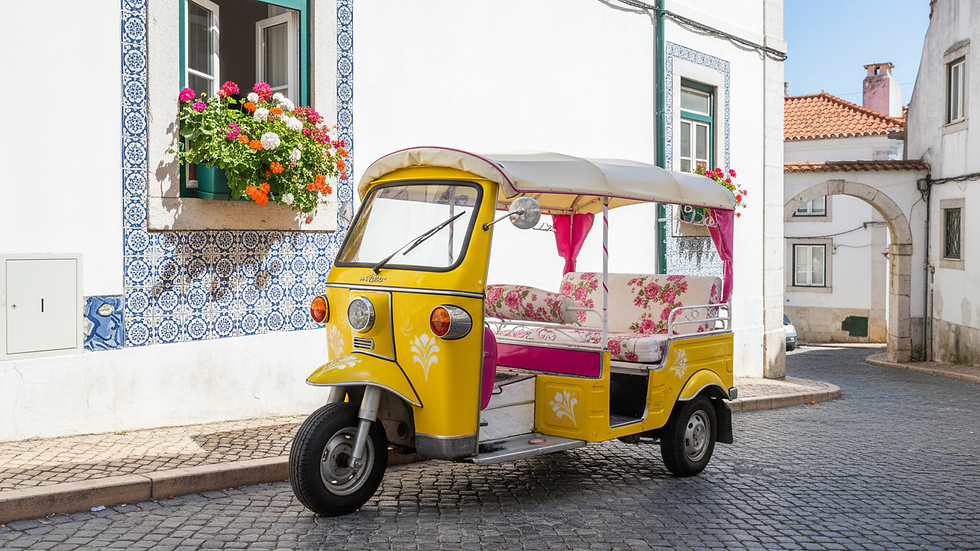
For first-time visitors, the city center is the best place to start because it connects Lisbon’s grand squares, shopping streets, historic cafés, waterfront views, and older hillside neighborhoods. It is lively, walkable in sections, and full of stories - but it is not flat. A private tuk tuk tour can make the route easier, especially for families, couples short on time, or mixed-language groups who want clear explanations without exhausting themselves before dinner.
Know What Lisbon’s City Center Includes
When locals and visitors refer to central Lisbon, they usually mean a cluster of neighborhoods rather than one official district. Baixa is the elegant grid of streets rebuilt after the 1755 earthquake. Rossio and Restauradores are busy public squares just above it. Chiado brings historic bookstores, theaters, cafés, and more polished shopping. Praça do Comércio opens the center toward the Tagus River.
Bairro Alto, Alfama, and Mouraria are close enough to combine with a city-center visit, but they have a different feel. Bairro Alto is known for nightlife and sits uphill from Chiado. Alfama is Lisbon’s oldest hillside neighborhood, with narrow lanes and sweeping views. Mouraria is a multicultural area with deep fado roots. Trying to walk all of them in one afternoon is possible only if you enjoy hills and do not mind moving quickly.
A good first day usually focuses on Baixa, Rossio, Chiado, and the riverfront, then adds one elevated viewpoint or historic neighborhood. That balance gives you Lisbon’s classic landmarks without turning the day into a checklist.
Start at Praça do Comércio and the Tagus
Begin at Praça do Comércio, the vast yellow square facing the Tagus. Once the site of the Royal Palace, it was redesigned after the devastating earthquake and became a statement of Lisbon’s recovery. Walk beneath the Arco da Rua Augusta, then look back toward the river for one of the city’s most recognizable views.
The riverside is especially pleasant in the morning, before the crowds build and the afternoon sun becomes intense. It is a good place for photos, a coffee, and a first sense of Lisbon’s relationship with the water. Ferries cross the Tagus in the distance, while the broad square shows a more formal side of a city better known for winding lanes.
From here, Rua Augusta leads directly into Baixa. It is pedestrian-friendly and packed with restaurants, souvenir shops, street performers, and visitors. Enjoy it, but do not assume every restaurant on the main strip offers the best value. Step one or two streets away for more relaxed service and a better chance of finding a menu that feels less designed for passing crowds.
Look Up in Baixa
Baixa was planned with wide, straight streets after 1755, which makes it very different from the older parts of Lisbon. Notice the uniform facades, iron balconies, and black-and-white Portuguese pavement beneath your feet. These patterned stone sidewalks are beautiful but can be slippery after rain, so choose shoes with grip rather than smooth soles.
Rua Augusta is the obvious route, but Rua da Prata and Rua dos Correeiros reward a slower wander. They offer the same elegant architecture with less noise. If you want a small local break, stop for an espresso at the counter rather than treating every pause as a long meal. Lisbon moves at its own pace, and a quick coffee is part of the rhythm.
Rossio, Restauradores, and a Classic Lisbon Pause
At the northern end of Baixa, Rossio Square has been a gathering place for centuries. Its wave-pattern pavement, fountains, National Theatre facade, and constant flow of people make it a perfect place to watch the city in motion. The square can be busy, but that energy is part of the experience.
Nearby, Rossio Station deserves a look even if you are not taking a train. Its ornate facade is one of those details visitors often miss while rushing between attractions. Continue toward Restauradores Square, where broad avenues, hotels, and theaters create a more modern contrast to the older streets below.
This is also a practical area for a lunch stop. Look for Portuguese dishes that are simple and well prepared: grilled fish, bacalhau, pork sandwiches, soup, or a plate of petiscos to share. For dessert, a pastel de nata is always a good idea, but you do not need to wait in the longest line you see. Excellent pastries are found all over central Lisbon.
See Chiado Without Rushing It
Chiado is where central Lisbon becomes more literary, stylish, and slightly more refined. Its streets hold historic cafés, churches, galleries, bookstores, and independent shops alongside familiar international brands. It is ideal for travelers who want a break from landmark-hopping without leaving the center.
Stop by Largo do Chiado and take in the mix of old and new around you. The area is also close to the ruins of Carmo Convent, a striking reminder of the 1755 earthquake. Its roofless nave creates one of Lisbon’s most memorable historic scenes. If you only have time for one museum-style visit in the center, Carmo is a strong choice because the building itself tells the story.
The Elevador de Santa Justa stands nearby. It is an impressive iron lift and a famous photo stop, but lines can be long in peak season. If the wait is short, the ride and upper view are worthwhile. If not, save your time for a viewpoint, a relaxed stroll, or a guided route that reaches the same upper areas without spending part of your day in line.
Find a Viewpoint That Fits Your Pace
Lisbon’s viewpoints are not optional extras - they are part of how you understand the city. From above, you can see the curve of the river, Baixa’s orderly streets, castle-topped hills, and clusters of terracotta roofs.
For a quick central option, the Santa Justa area offers an elevated perspective. For a more atmospheric pause, head toward a miradouro in the hills above Chiado or toward Alfama. The trade-off is simple: the best views usually involve an uphill walk. A tuk tuk is a comfortable way to reach these higher spots, particularly in summer heat or when traveling with children, grandparents, or limited mobility.
Add One Historic Neighborhood, Not Three
After Baixa and Chiado, choose your next area based on the kind of Lisbon you want to feel. Alfama is for tiled facades, tiny lanes, fado history, and dramatic viewpoints. Mouraria is for a more lived-in atmosphere, diverse food, and stories connected to the origins of fado. Bairro Alto is better later in the day, when its bars, restaurants, and evening energy begin to wake up.
Do not be disappointed if you cannot cover every neighborhood in one visit. Lisbon is better when you leave room for an unplanned photo stop, a sunny terrace, or a street that catches your attention. The city’s charm often appears between the landmarks.
For guests who want the center and hilltop neighborhoods in one comfortable route, Tuk Tuk Tour Lisbon can shape a private experience around your pace, with photo stops and multilingual audio guidance that helps everyone in your group follow the story.
Smart Tips for an Easier City-Center Visit
Central Lisbon is safe and welcoming, but busy areas call for normal city awareness. Keep phones and wallets secure in crowded squares, trams, and narrow lanes. Avoid leaving bags unattended at café tables, and be cautious of anyone offering unusually aggressive help with tickets or tourist services.
Wear comfortable shoes, carry water, and plan for sun. Lisbon can feel warmer than the forecast suggests because the light reflects off stone streets and open squares. In winter, conditions are milder, but rain makes hills and pavement more challenging.
Public transit is useful, but it can be confusing on a first visit and crowded during busy periods. Tram 28 is iconic, yet it is often packed. Ride it early if it is high on your list, or enjoy the same historic neighborhoods from the street with a local guide who can take you beyond the standard tram route.
The most useful timing rule is simple: start early, enjoy the center before lunch, and save a hilltop viewpoint for late afternoon. As the light softens over the Tagus, Lisbon starts to look exactly like the postcard - only better because you are standing in it.
To display the Widget on your site, open Blogs Products Upsell Settings Panel, then open the Dashboard & add Products to your Blog Posts. Within the Editor you will only see a preview of the Widget, the associated Products for this Post will display on your Live Site.
Start your 14 days Free Trial to activate products for more than one post.
icon above or open Settings panel.
Please click on the


Comments