

How Multilingual Audio Tours Work

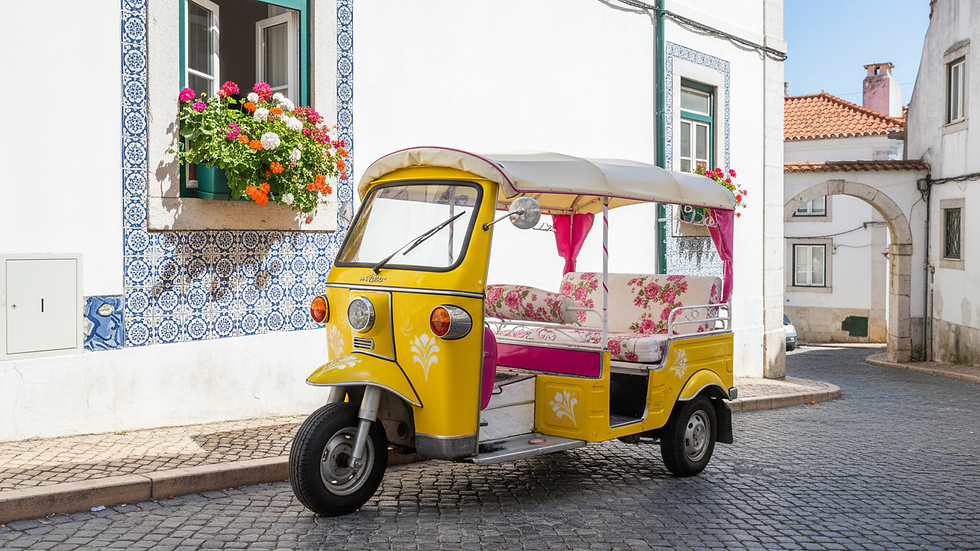
Picture this: one couple speaks English, their parents prefer Spanish, and the kids are more comfortable following along in French. They are all in the same tuk tuk, passing through Alfama’s winding streets, but nobody wants a watered-down version of the story. That is exactly why people ask how multilingual audio tours work - because the best tours do more than move you through a city. They make sure everyone actually understands what they are seeing.
A good multilingual audio tour is not just a recording translated into several languages. When it is done well, it is part storytelling system, part logistics, and part guest experience. It helps international travelers feel relaxed, included, and connected to the places around them without slowing the tour down or turning it into a tech exercise.
How multilingual audio tours work on a real tour
At the most practical level, multilingual audio tours work by pairing each stop on a route with pre-recorded commentary in different languages. Guests select their preferred language, and the correct track plays at the right moment during the journey. The goal is simple: the same place, the same story, and the same sense of timing, delivered in the language each guest understands best.
That sounds straightforward, but the quality depends on how the tour has been built. The route needs structure. The audio needs to match the exact landmarks guests are passing. The translations need to feel natural, not mechanical. And the handoff between live guidance and audio needs to be smooth enough that guests stay focused on Lisbon, not on buttons, screens, or headsets.
On a private sightseeing experience, this matters even more. Guests expect comfort, clarity, and a pace that feels personal. If the audio starts too late, runs too long, or uses stiff wording, it breaks the moment. If it is well produced, it adds depth without adding effort.
It starts with route planning, not recording
The first step in any strong audio guide system is mapping the route. Before anyone records a script, the tour provider decides where the key story points happen. That could be a viewpoint over the city, a historic square, a church facade, or one of those hidden streets most visitors would never find alone.
Each of those moments needs a clear purpose. Some stops are best for history. Others work better for local culture, architecture, food traditions, or the kind of insider detail that makes a city feel alive. Once those moments are defined, the script can be written around what guests will actually see in real time.
This is where audio tours can either shine or feel generic. A route-based script is grounded in the experience itself. It knows when the tuk tuk is climbing a hill, when guests need a short explanation, and when a scenic pause deserves a stronger story. In a city like Lisbon, with steep streets, layered history, and neighborhoods that change quickly from one turn to the next, timing is everything.
Translation is more than swapping words
Once the original script is written, each language version has to be adapted. That does not mean copying the exact same sentence structure across five or six languages. Good translation keeps the meaning, the tone, and the rhythm of the original while sounding natural to the listener.
This part is easy to underestimate. Some references land well in English but need a different phrasing in Spanish or German. Some historical explanations need to be shortened in one language and expanded in another to stay clear. Even humor and informal expressions need care. If the brand voice is friendly and local, the translated version should feel the same way.
There is also a practical issue: length. One paragraph in English may take longer to say in Portuguese or French. If the track is too long, it can overlap with the next stop or leave guests listening after the landmark has already passed. That is why strong multilingual systems edit each version for timing, not just for accuracy.
Voice, timing, and playback matter more than people expect
After the scripts are translated, they are recorded by voice talent or speakers chosen for clarity and tone. The best audio guides sound human, warm, and easy to follow. They do not sound like phone menus or textbook narration.
Pacing matters a lot here. Travelers are in a moving vehicle, watching the city, taking photos, and talking with each other. Audio that is too fast gets lost. Audio that is too slow drags the experience down. The sweet spot is commentary that feels confident and light, with enough detail to make the stop meaningful without competing with the view.
Playback can be handled in different ways. Some tours use guests’ own phones and headphones. Others provide devices. Some rely on a single system that syncs automatically with the route, while others are triggered manually by the guide or driver at each stop. There is no single perfect setup. It depends on the format of the tour, the group size, and how much flexibility is built into the route.
For private tuk tuk tours, a guided manual trigger often works well because it allows the experience to stay personal. If guests stop for photos longer than expected or want to linger at a viewpoint, the timing can adjust without making the audio feel off.
How multilingual audio tours work for mixed-language groups
This is where audio guides become especially useful. In a mixed-language group, a live guide usually has two choices: speak in one language and hope everyone follows, or repeat every explanation multiple times. The first option leaves some guests behind. The second slows the tour down.
A multilingual audio system solves that problem by letting each guest hear the story in their own language while sharing the same route and the same highlights. Couples, families, and small private groups can stay together without asking one person to translate for everyone else.
That also changes the feel of the tour. People relax more when they do not have to work to keep up. They ask better questions. They notice more. They enjoy the hidden gems and historic details instead of just smiling politely and moving on.
For a visitor experience, that comfort is a real value, not a small extra.
The trade-offs: where audio helps and where live guidance still wins
Audio tours are excellent for consistency and language access, but they are not a replacement for human presence. The strongest experiences usually combine both.
Audio is great at delivering polished core stories. Every guest gets the same accurate explanation of a landmark, neighborhood, or historic event. That helps with quality control, especially on busy routes or with international audiences.
But live local guidance still adds something audio cannot fully replicate. A guide can react to the mood of the group, answer spontaneous questions, point out a bakery that just opened, explain a local festival happening that day, or shift the route around traffic and weather. That flexibility is a big part of what makes a private tour feel special.
So when people ask how multilingual audio tours work, the most honest answer is this: they work best as an enhancement, not as a substitute for local expertise. The audio delivers clear stories in the guest’s language. The guide brings the city’s personality, local insight, and personal touch.
What travelers should look for before booking
Not all multilingual audio tours are created equally. If you are choosing one, it helps to look beyond the phrase itself.
First, check whether the audio is integrated into a guided experience or just handed over as a standalone feature. Second, find out how many languages are offered and whether the translations are professionally produced. Third, consider the type of tour. In a moving city tour, timing and route fit matter much more than they do in a museum setting.
It is also worth looking at ease of use. Guests should not need ten minutes of setup at the start of the tour. The best systems are simple enough that you choose your language, settle in, and start enjoying the ride.
For a city like Lisbon, where neighborhoods are full of short, meaningful moments, that simplicity makes a real difference. You want to be looking at tiled facades, viewpoints, and secret spots - not troubleshooting audio.
That is one reason this feature fits naturally with a private tuk tuk experience. With a smaller group, a flexible route, and a local guide managing the flow, multilingual commentary can feel effortless. At Tuk Tuk Tour Lisbon, that kind of setup helps international travelers enjoy the same top-rated experience without language getting in the way.
The best version of a multilingual audio tour is not flashy. It is clear, well timed, easy to use, and built around the places you came to see. When it is done right, everyone in the group gets more than transportation and more than sightseeing. They get the story in a language that feels familiar, and that small detail often turns a nice tour into a memorable one.
To display the Widget on your site, open Blogs Products Upsell Settings Panel, then open the Dashboard & add Products to your Blog Posts. Within the Editor you will only see a preview of the Widget, the associated Products for this Post will display on your Live Site.
Start your 14 days Free Trial to activate products for more than one post.
icon above or open Settings panel.
Please click on the


Comments