

Alfama or City Centre for Your Lisbon Stay

Lisbon can feel like two different cities depending on where you wake up. The choice of Alfama or city centre shapes everything from your morning coffee view to how easily you reach restaurants, museums, trams, and airport connections. Alfama gives you historic lanes, tiled facades, and an unmistakably old-Lisbon atmosphere. The city center gives you convenience, energy, and a faster route to the city’s biggest sights.
Neither is automatically better. The right choice comes down to how you want your days to feel: slow and atmospheric, or central and flexible.
Alfama or City Centre: The Quick Answer
Choose Alfama if you want character, viewpoints, fado nearby, and the experience of staying inside Lisbon’s oldest neighborhood. It is especially memorable for couples, first-time visitors who value atmosphere, and travelers who do not mind steep streets or a little extra planning.
Choose the city center if you want to walk to major attractions, have more restaurant choices at your door, use public transportation easily, and keep daily logistics simple. It works particularly well for short stays, families with young children, visitors with limited mobility, and travelers who like being close to the action.
Many visitors picture Lisbon as a flat city of sunny plazas and yellow trams. It is not. The hills are real, and that is one reason this decision matters more here than it does in many European capitals.
Staying in Alfama: History Outside Your Door
Alfama is the Lisbon people imagine after seeing a postcard. It rises from the waterfront toward São Jorge Castle in a maze of narrow streets, tiny staircases, laundry-draped balconies, and lookouts over the Tagus River. You will hear church bells, catch the sound of fado drifting from a restaurant, and find photo stops without trying very hard.
This is not a neighborhood built for rushing. A five-minute walk can involve a hill, a turn that looks like a dead end, and an unexpected square where local residents are chatting outside a café. That unpredictability is part of Alfama’s appeal. It feels lived-in, not staged.
The best reasons to book Alfama
Alfama is ideal when the hotel itself is part of the trip. Early morning is especially special, before day visitors arrive and the streets are quiet. From viewpoints such as Santa Luzia and Portas do Sol, the city opens below you in layers of red roofs, domes, and river light.
The neighborhood is also a natural fit for travelers who want Lisbon’s traditional side. You are close to fado houses, the cathedral, the castle, and the historic Tram 28 route. Even a simple walk home after dinner can become one of the moments you remember most.
For couples, photographers, and guests who prefer hidden gems to large shopping streets, Alfama has an advantage that downtown cannot copy. It is intimate, textured, and full of secret spots worth slowing down for.
The trade-offs in Alfama
The same hills that make Alfama beautiful can make it challenging. Cobblestones are uneven, sidewalks can be narrow, and cars cannot reach every doorway. If you have heavy luggage, a stroller, knee issues, or a traveler who struggles with slopes, check your accommodation location carefully before booking.
Transportation is available, but it is less straightforward than in downtown Lisbon. Tram 28 can be fun, though it is often crowded. Taxis and ride services may need to drop you a short walk from your hotel, and navigating after dark can feel confusing during your first evening.
Alfama can also be busy during peak travel months. It is residential, but it is one of Lisbon’s most visited areas, so the quiet old-neighborhood feeling is strongest early in the day and later at night. Choose a room on a calmer side street if a peaceful sleep is a priority.
Staying in Lisbon City Center: Easy, Lively, Connected
Lisbon’s city center usually refers to Baixa, Chiado, Rossio, Avenida da Liberdade, and nearby areas. These neighborhoods sit lower and flatter than Alfama, with broad streets, classic squares, major shopping, and a wide choice of hotels, cafés, and restaurants.
If you are arriving for a quick three-day trip, the city center makes a strong case. You can walk to Praça do Comércio, Rossio Square, the Santa Justa Lift, Chiado, and the waterfront without treating every outing like a hill workout. Metro stations, train connections, and airport transfers are also easier to manage.
The best reasons to book downtown
Convenience is the city center’s superpower. You can step out for breakfast, decide to visit a museum, return for a midday rest, and head out again for dinner with very little effort. This flexibility matters for families, multi-generational groups, and travelers who want full days without overthinking routes.
There is more variety too. You will find everything from traditional pastry shops and casual wine bars to polished restaurants and international brands. Chiado is particularly good for visitors who enjoy bookstores, boutiques, theaters, and a slightly more refined city feel, while Baixa places you near landmark squares and pedestrian streets.
The city center is also a smart base if you plan day trips. Rossio station is useful for Sintra, while Cais do Sodré is convenient for trains toward Cascais. If your Lisbon itinerary includes several neighborhoods plus time beyond the city, staying central can reduce unnecessary backtracking.
The trade-offs in the city center
Downtown Lisbon is easier, but it can feel less personal. Some streets are busy from breakfast until late at night, and the neighborhood’s energy comes with traffic, crowds, and occasional noise. Ask for a room facing an interior courtyard or a quieter side street if you are sensitive to sound.
You may also find the city center more commercial than Alfama. The views are not as dramatic from most hotels, and you are less likely to wander into a tiny local square by accident. It has plenty of charm, but the experience is urban rather than village-like.
Price can vary in both areas, especially from late spring through early fall. Alfama’s boutique stays sometimes command a premium for their views and historic setting, while central hotels can cost more because of location and convenience. Compare the exact street, not just the neighborhood name.
Which Area Fits Your Travel Style?
If this is your first Lisbon visit and you want the city to feel easy from the moment you arrive, the city center is often the safer choice. It gives you a practical base for sightseeing, dining, shopping, and transportation, especially when your time is limited.
If you have visited Lisbon before, or you are drawn to places with more personality than polish, Alfama may be the better match. It rewards curiosity. You trade a little convenience for stronger atmosphere, more memorable views, and the sense that Lisbon is unfolding around you.
For families, it depends on ages and energy levels. Families with older children who enjoy exploring might love Alfama’s trams and castle paths. Families traveling with a stroller or tired toddlers will likely appreciate downtown’s flatter streets, reliable transportation, and easy access to everyday essentials.
For mixed-language groups, location is only part of the experience. A guided tour with clear commentary in your preferred language can make both neighborhoods far more meaningful. You can focus on the city rather than trying to piece together signs, routes, and history as you go.
A Smart Way to See Both Neighborhoods
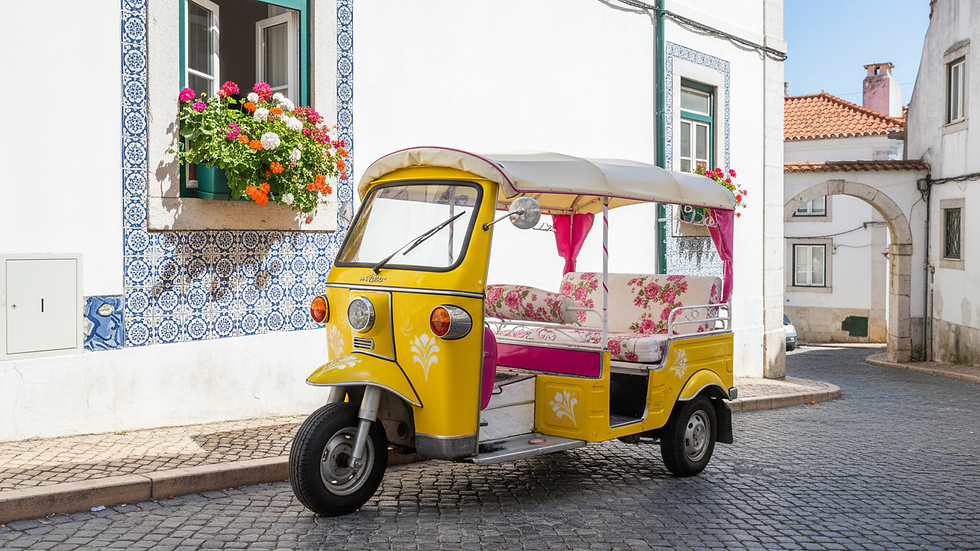
You do not have to stay in both places to experience both sides of Lisbon. In fact, a private tuk tuk tour is one of the easiest ways to compare them in a single outing. You can ride through the city center’s grand squares and elegant avenues, then head up into Alfama’s hills for viewpoints, narrow lanes, and stories that bring the neighborhood to life.
This is particularly useful on your first day. You get oriented without spending hours climbing, and you can return later to the places that felt most like you. Tuk Tuk Tour Lisbon offers private experiences for up to six guests, with local guidance, flexible photo stops, and multilingual audio support for international groups.
A tuk tuk is not a replacement for wandering. It is the shortcut that lets you save your energy for the streets, restaurants, and viewpoints you genuinely want to explore on foot.
Where to Stay If You Want the Best of Both
There is a middle option for travelers who want Alfama’s character without committing fully to its steepest lanes. Look around Baixa’s eastern edge, near Praça do Comércio, or in the lower parts of Chiado. From there, you can reach the waterfront and city-center attractions easily while being close enough to visit Alfama whenever the mood strikes.
Another good compromise is staying near the base of the hill by Martim Moniz. You are close to Tram 28, within walking distance of downtown, and near several routes into the historic districts. The setting is busier and less romantic than Alfama itself, but it can be very practical.
Book the neighborhood that matches the version of Lisbon you want to come home to each night. Choose Alfama if you want lantern-lit lanes and a little adventure before breakfast. Choose the city center if you want every day to start with options, easy connections, and Lisbon right at your doorstep.
To display the Widget on your site, open Blogs Products Upsell Settings Panel, then open the Dashboard & add Products to your Blog Posts. Within the Editor you will only see a preview of the Widget, the associated Products for this Post will display on your Live Site.
Start your 14 days Free Trial to activate products for more than one post.
icon above or open Settings panel.
Please click on the


Comments